Why you feel “on edge” (even when nothing is wrong)
Understanding your nervous system + a free reset guide below
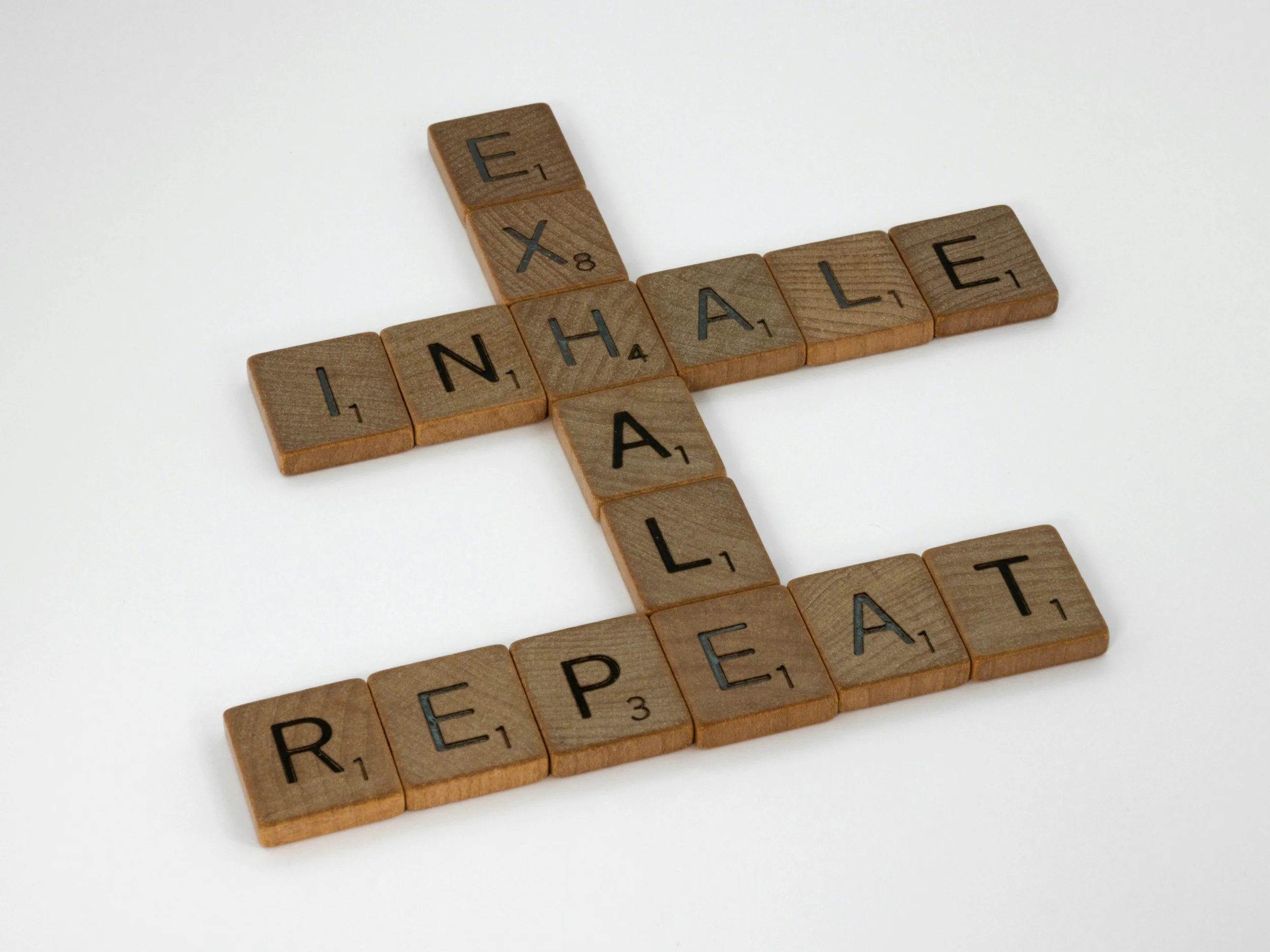
There are moments when nothing obvious is happening — no emergency, no conflict, no crisis — and yet your body feels tense.
Your shoulders are tight.
Your thoughts feel fast.
You’re irritable.
You can’t fully relax.
This experience is more common than we talk about.
And it has less to do with your mindset…
and more to do with your nervous system.
Your Body Is Designed for Survival
Your nervous system is constantly scanning for safety.
When it detects stress — whether from work demands, caregiving, grief, past experiences, responsibility, overstimulation, or long-term pressure — it activates automatically.
You don’t choose it.
It chooses for you.
Heart rate increases.
Breathing shortens.
Muscles brace.
Attention narrows.
This is commonly known as the fight-or-flight response.
The issue is not the stress response itself.
The issue is when the body never gets the signal that it is safe again.
Stress Is Unavoidable
Stress will exist whether we want it to or not.
It shows up in deadlines, parenting, relationships, finances, service roles, caregiving, and even positive life transitions.
The goal is not to eliminate stress.
The goal is to strengthen your ability to return to baseline.
To return to safety.
Signs Your Nervous System May Be Stuck “On”
You might notice:
• Feeling constantly on edge
• Difficulty sleeping or winding down
• Emotional reactivity
• Brain fog or forgetfulness
• Physical tension in the jaw, chest, or shoulders
• Feeling numb or disconnected
This does not mean you are broken.
It means your nervous system has been working hard to protect you.
And it may need intentional support.
Regulation Is a Skill
Many people believe they just need to “calm down.”
But regulation is not about forcing calm.
It’s about creating conditions of safety.
Sometimes that begins with:
• Slowing your exhale
• Grounding through your senses
• Releasing physical tension
• Allowing the body to feel supported
When the nervous system senses safety, it shifts.
Breathing slows.
Heart rate softens.
Muscles release.
This is called the relaxation response.
And it can be practiced.
A Trauma-Aware Approach
When the body begins to slow down, emotions can surface. That’s normal. That’s human.
Spaces that invite regulation should also prioritize emotional safety.
This is not therapy. It is educational wellness support grounded in clinical awareness and nervous system understanding.
Download the Free Nervous System Reset Guide below
If you’d like practical, simple tools you can use in moments of overwhelm, I created a free two-page resource:
The Nervous System Reset: A Guide for High-Stress Lives
Inside you’ll find:
• A clear explanation of stress responses
• Signs of dysregulation
• 3 simple reset techniques
• Guidance for returning to baseline